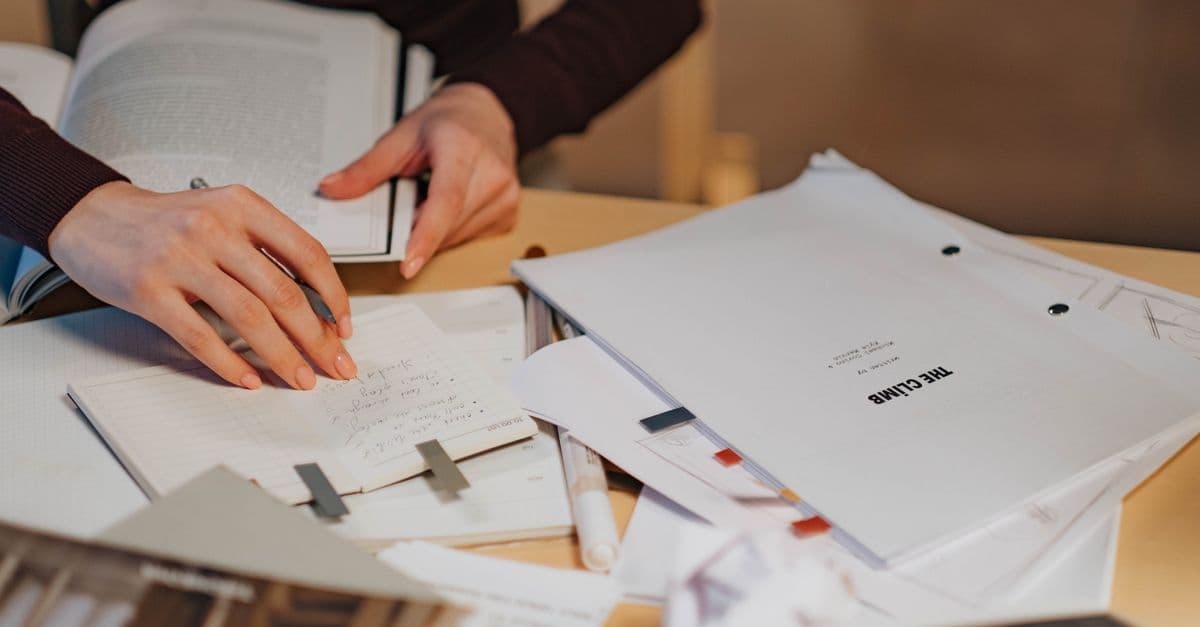
By the later stages of dMAT preparation, most people have accumulated a sprawl of notes, half-finished practice sets and scribbled reminders. The problem is that a sprawl is unusable in the final days, when what you need is a fast, confident pass over the methods that matter. A revision summary sheet solves this: a single, tightly edited page that captures the moves you want to be automatic on the day. This article explains what belongs on it, what to leave off, and how to build one that actually earns its place in your final review.
What a summary sheet is for
A revision sheet is not a substitute for practice and it is not a place to store everything you have ever learned. It is a prompt sheet — a short, high-value list of the methods, checklists and recurring pitfalls you want at the front of your mind. Its value comes from being selective. A page you can review in a few minutes and internalise is worth far more than ten pages you will never read again under pressure.
Think of each entry as a trigger rather than an explanation. "Number sequences: check the differences first, then the fixed checklist" is a useful entry because it fires a method you have already practised. A full worked example is not — it belongs in your practice, not your summary. The test of a good entry is simple: does reading this one line reliably bring back the whole method? If yes, keep it short; if no, you have not practised it enough yet, and more drilling — not more notes — is the fix.
The single best source of what belongs on the sheet is your own error log. It already records the exact methods and traps you keep missing, which is precisely what a final review should reinforce. Building the summary sheet from your error log turns a record of past mistakes into a checklist for avoiding them.
What to put on it
Aim for one page, organised by the kinds of task you will meet. A workable structure is:
- Method triggers — one line per question type capturing the first move: for number sequences, check the gaps; for figure sequences, run the property checklist; for Latin squares, fill the forced cells first.
- Your recurring pitfalls — the specific mistakes your error log shows most often, phrased as reminders: "confirm the rule holds for every step", "predict before reading the options".
- Pacing rules — your personal cutoffs: how long before you mark an item and move on, from your work on time management.
- A short calm-down cue — one line for resetting if you feel rushed, so the sheet supports your composure as well as your method.
Keep formulas and facts to the genuinely load-bearing few. If a rule is already automatic, it does not need a slot; the sheet is for what is nearly there and benefits from one last reinforcement.
How to build and use it
Build the sheet gradually, not in one sitting the night before. As you practise and review, whenever you catch a method or pitfall you want to remember, add a single line to a running draft. Then, in the last week or two, edit ruthlessly: cut anything you now do automatically, tighten each entry to its shortest useful form, and force the whole thing onto one page. The editing is where the value is — deciding what does not make the cut clarifies what actually matters.
Use it as a review tool, not a crutch. Read it before practice sessions so the methods are primed, and read it once more the morning of the exam as a calm final pass. You will not have it during the test, and that is the point: by exam day, the sheet should contain nothing that surprises you. If a line still feels unfamiliar when you read it, that is a flag to do a little more targeted practice rather than to rely on last-minute cramming, which rarely survives the pressure — the same reasoning behind spacing reviews in active recall and spaced repetition.
A good sheet also pairs naturally with your final rehearsals. After a full simulated exam, check whether the methods on your sheet actually surfaced when you needed them; anything that stalled goes back into focused practice, and anything you never needed can probably come off the page.
Keep the purpose in view
A revision summary sheet is a discipline as much as a document: it forces you to decide what genuinely matters and to trust the practice behind it. Build it from your error log, keep it to one selective page, and use it to prime and reassure yourself rather than to cram. When you would like to check that the methods on your sheet hold up under pressure, rehearse with original questions in the free dMAT diagnostic.