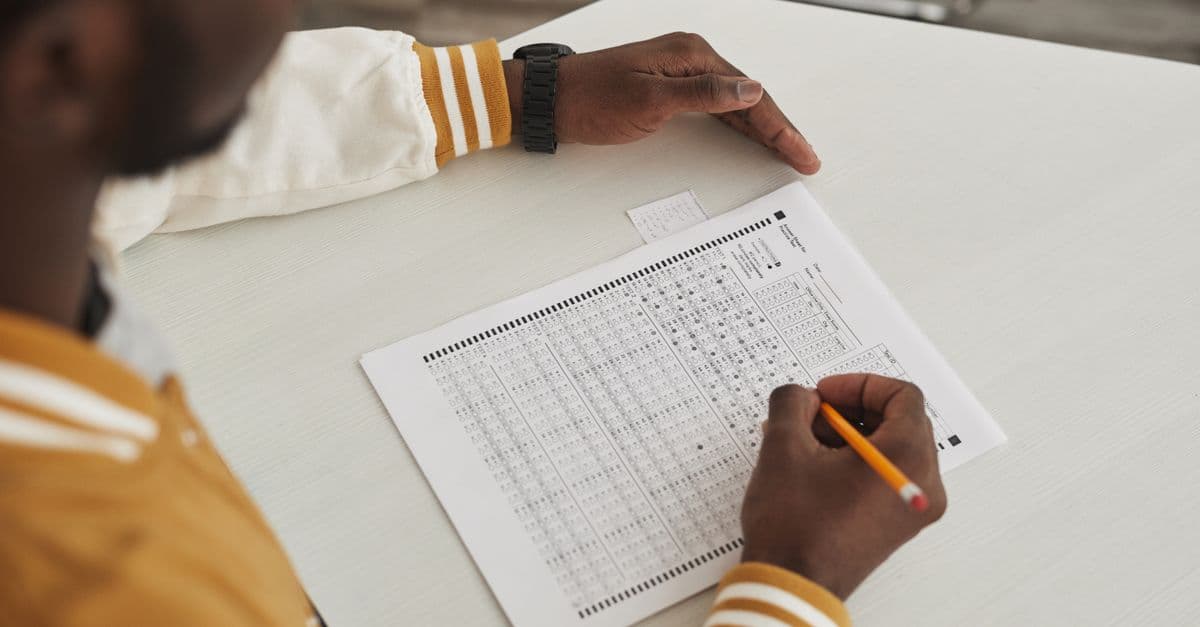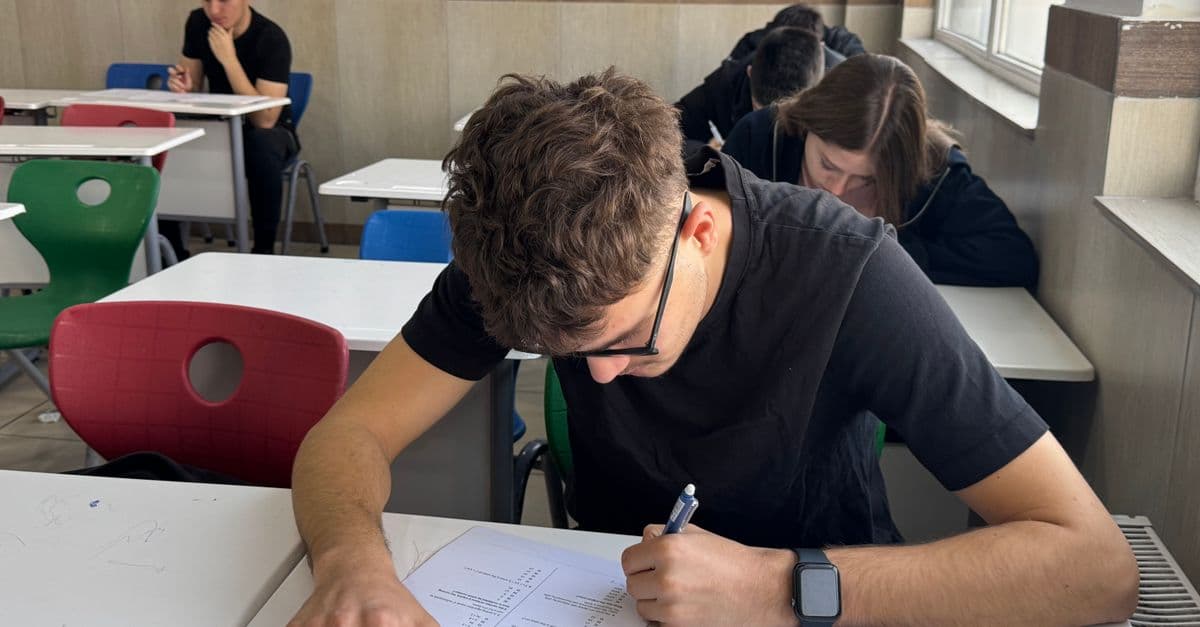
Sooner or later, most candidates want to try a different way of working. Maybe it's a stricter skip rule, reading the question before the passage, or a new way of setting up a Latin square in rough work. A full mock looks like the natural place to try it, because it's the closest thing to the real exam you have. It is a good place, but only if you treat the attempt as an experiment rather than a fresh start. Change three things at once and judge them by the total score, and you won't know which change helped, which hurt, or whether any of them made a difference at all. This post sets out how to test a new approach in a mock so that the result actually tells you something.
Why mocks are a good test bed, and a risky one
Drills are fine for learning a method, but they can't tell you whether that method survives the exam. A Latin-square routine that works on a single puzzle with no clock may fall apart in the last third of a timed section. A skip rule that sounds sensible on paper may leave you with an unmanageable pile of returns. Only timed, continuous practice shows how a new approach behaves under pressure, and a full mock under real conditions is the best version of that you have.
The risk lies in what you do with the number afterwards. A mock score is already noisy. It moves from paper to paper for reasons that have nothing to do with your method, as our post on mock score swings explains. If you change your approach and your score rises by a few points, that may be the approach, or it may be an easier paper, a better night's sleep or a passage topic you happened to know. The total alone cannot separate those.
Change one thing at a time
The single most useful rule is to change one thing per mock. Not one thing per module: one thing in the whole paper.
That feels slow, and it is slower than overhauling everything at once. But if you change your pacing, your rough-work layout and the order you tackle questions in the same sitting, the result can't be read. If the score drops, you'll probably abandon all three, including the one that was working. If it rises, you'll keep all three, including the one that was quietly costing you.
Pick the change your last review pointed to most clearly. If your error log shows that most lost marks came from running out of time in one subtest, test a pacing change there and leave everything else exactly as it was. The other ideas can wait for the next paper.
Decide what success looks like before you start
Write down, before the mock, what you expect the change to do and how you'll know. This takes two minutes and does more than anything else to keep you honest.
The measure should be narrower than the total score. A few examples:
- A new skip rule: how many questions you reached before time ran out, and how many skipped questions you got back to.
- Reading the question first in passages: time per passage and accuracy on those questions, compared with your last two papers.
- A different rough-work layout: the number of errors you traced to copying or mislabelling, a count you'll find in your review.
Record the same measure on your last mock or two so you have something to compare against. Without that baseline, any number looks like evidence. With it, you can see whether the change moved the thing it was supposed to move.
Expect the first attempt to feel worse
A new method is almost always slower and clumsier the first time, even when it is genuinely better. You're thinking about the method instead of the question, and that costs time. So a single mock in which the new approach "felt awkward" or scored a little lower is not a verdict.
The fairer test is two or three papers in a row with the same change. If the narrow measure improves across those papers and the score at least holds, the change is probably worth keeping. If the measure doesn't move after three attempts, the approach isn't solving the problem you chose it for, and it is reasonable to drop it without regret.
Don't run an experiment that will be half-finished by test day. With only two or three mocks left, it is usually better to settle your method and rehearse it than to start testing something new.
Separate the review of the method from the review of the paper
When you review the mock, do it in two passes. First, the usual review: which questions you got wrong and why. Second, a short look at the experiment alone: did you actually apply the new approach throughout, and what did your chosen measure show?
That first question matters more than it sounds. Under time pressure people slip back into old habits, often without noticing. If you abandoned the new skip rule halfway through the second module, the mock didn't test it, and the result says nothing about whether it works. Note where you drifted. That is useful information too, because a method you can't keep using under pressure isn't much use on the day.
Keep a short running note of each experiment: what you changed, the measure, the result on each paper and your decision. A few lines per change is enough. By the end of your preparation, that note is a record of the approach you settled on and the evidence behind it, which is far steadier ground to stand on than a vague memory of "what felt better".
A steady close
Mocks are for measuring, but they are also the only safe place to find out whether a better way of working actually is better. Change one thing, decide in advance how you'll judge it, give it more than one paper, and settle your method well before the exam. If you want a timed paper to start with, the free dMAT diagnostic is a reasonable baseline to measure against.