Most dMAT preparation happens alone: a quiet desk, a timer, a stack of practice questions. That solitary work is essential, but it has a blind spot. When you only ever check your own answers against a key, you see whether you were right, not how someone else arrived at a better method. A study partner or small group can close that gap — but only if the sessions are structured. Left loose, group study drifts into chatting, comparing scores and reassuring each other, which feels productive and teaches almost nothing. This article is about the difference between the two.
The test is simple: a good session leaves you with a method you did not have before, or a mistake you now understand. If it only leaves you feeling better, it was social time, not study.
When a partner helps — and when it doesn't
Collaboration pays off most on the parts of the dMAT that reward approach rather than knowledge. The Core Module is full of problems where two people can reach the same answer by very different routes, and the faster route is often not obvious until someone shows you theirs. Working through a hard figure sequence with a partner, you might discover they spotted a rotation you were trying to solve by counting — a method you can then borrow. Explaining your own reasoning out loud is just as valuable: if you cannot make a step clear to another person, you probably do not understand it as well as you thought.
Group work is weakest for the things that are fundamentally individual: building timed stamina, learning your own pacing, and rehearsing exam conditions. You cannot outsource those. A full timed paper has to be sat alone, in silence, at your own speed — sharing the experience defeats its purpose. So the honest rule is to collaborate on understanding and method, and to keep measurement solitary. Use a partner to learn how to solve a task type; use a full mock by yourself to check whether you can do it under pressure.
There is also a matching problem. A partner far ahead of you can pull you along, but you may spend the session watching them work rather than struggling productively yourself. A partner far behind can turn you into an unpaid tutor. The most useful pairing is someone at roughly your level but with different strengths — you are strong on the quantitative tasks, they read graphs faster — so each session is a genuine exchange rather than a one-way transfer.
How to run a session that actually works
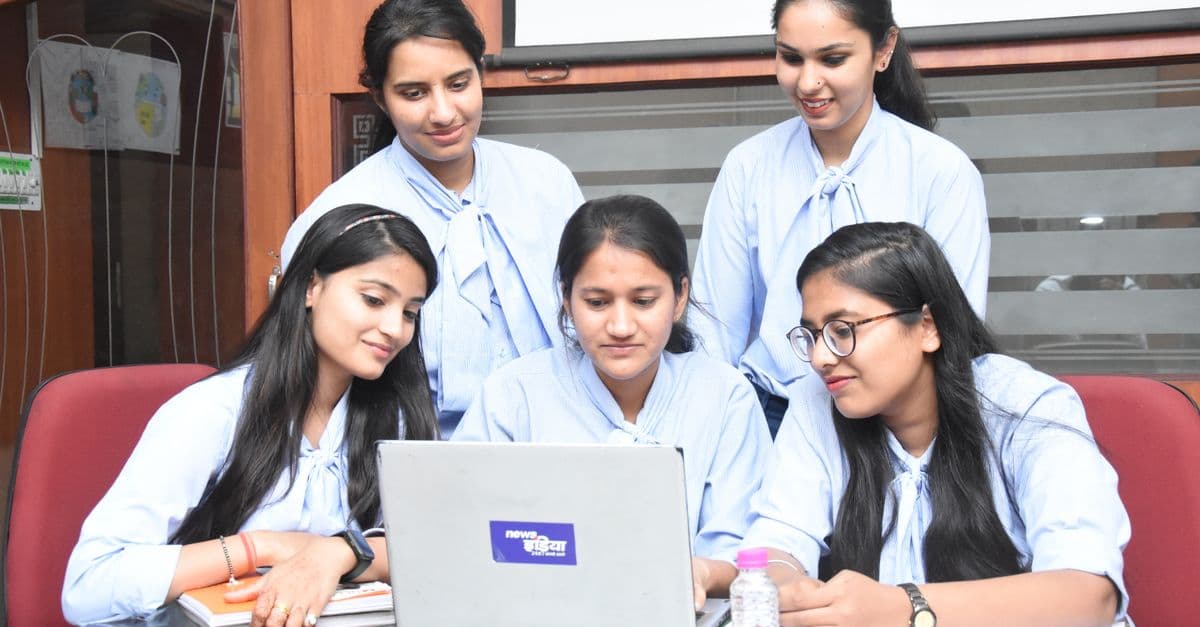
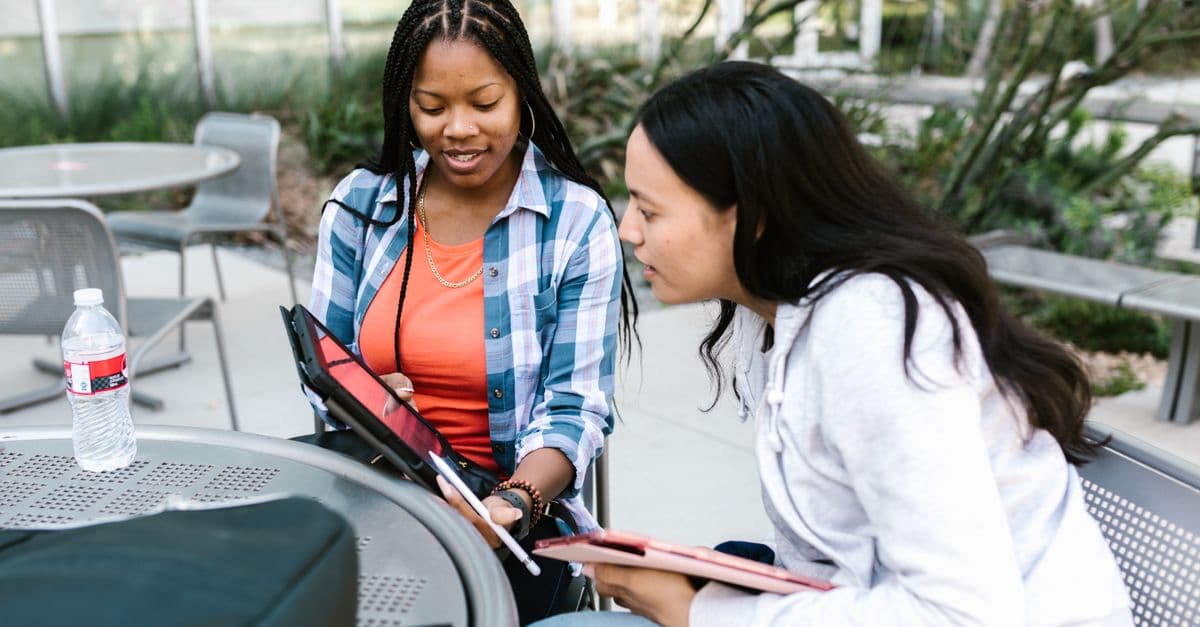
Treat a study session like a small meeting with an agenda, not an open-ended hangout. Decide before you meet what you will cover — a specific task type, a set of questions you have both already attempted, or a topic you both found hard last week. Arriving with nothing to work on is how ninety minutes evaporate into thirty minutes of study and an hour of talk.
The most effective format is solve first, discuss second. Each person attempts the same questions independently and under time before the session, then you meet to compare. This keeps the individual work honest and turns the meeting into the high-value part: not "what's the answer?" but "how did you get there, and why is your way faster than mine?" Comparing methods on questions you have both wrestled with is far richer than solving something cold together, where the quicker person simply carries the slower one.
Rotate the role of explainer. Whoever got a question right walks the other through their reasoning, step by step, out loud — this is the same principle behind active recall, and teaching a method is one of the strongest ways to cement it for yourself. Then swap. When both of you got something wrong, resist the urge to move on; a shared blind spot is exactly what a group is best placed to fix, because two people reconstructing an error usually find it faster than one.
Finally, close every session by writing down what you take away. Each person notes the one method or correction worth keeping and adds it to their own error log. Without that step, the insight lives only in the conversation and is gone by the next morning. The log is what turns a good discussion into a lasting change in how you study.
Keeping the group from becoming a distraction
The risk of studying with others is not laziness so much as comfort. It is genuinely pleasant to compare scores, agree that the exam is hard and feel less alone — and none of that improves your reasoning. Guard against it by keeping the group small (two or three people is plenty), keeping sessions short and focused, and ending on time. A ninety-minute session with a clear agenda beats a whole afternoon that slowly dissolves into conversation.
Watch, too, for the group becoming a source of anxiety. If comparing scores leaves you rattled rather than informed, that is a sign to protect your solo routine and use the group only for method discussion. Preparation is not a competition with your study partner, and someone else's practice score tells you nothing about your own readiness. If the collaboration starts to dent your confidence more than it sharpens your thinking, it has stopped working — and it is worth stepping back to protect your motivation.
A study partner is a tool, not a plan. The backbone of your preparation is still your own focused practice, your own timed papers and your own review. Use a group to see methods you would never have found alone and to catch errors you cannot see by yourself — then take what you learn back to your desk, where the real work continues.